San Diego Basketball Club Teams That Help Players Get Noticed
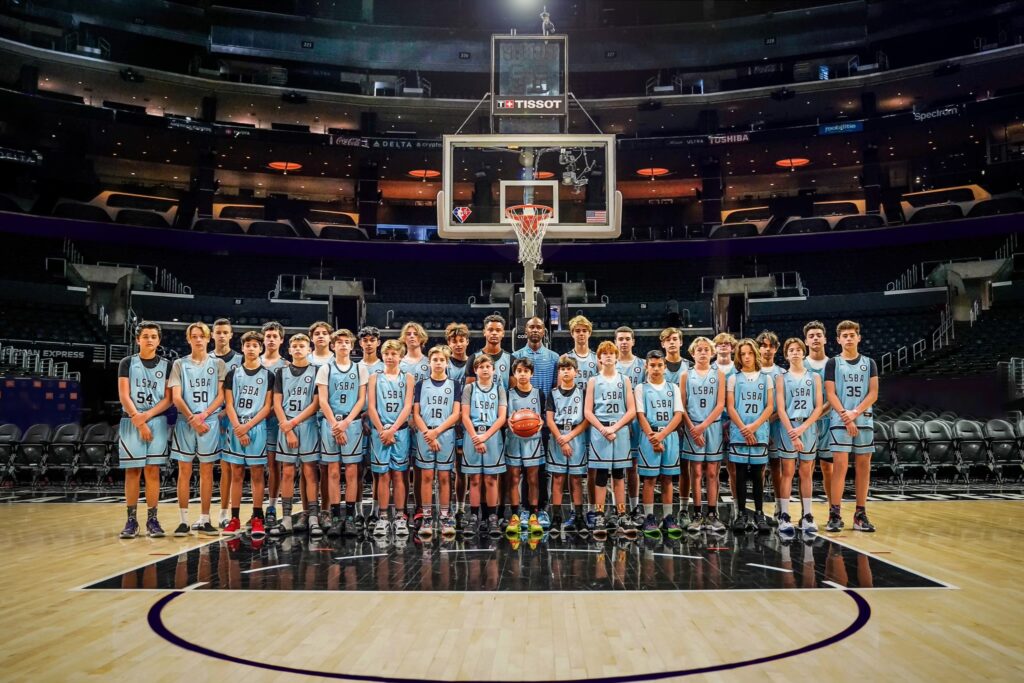
San Diego is a better basketball town than outsiders often assume. The weather gets attention, the beaches get the postcards, and football used to dominate local sports talk, but the basketball culture here runs deep. On any given weekend, you can find packed high school gyms, outdoor runs that still matter, and club tournaments where college coaches drift from court to court with legal pads, roster sheets, and very little patience for players who do not know how to compete.
That last point matters. Families searching for Basketball Club Teams San Diego often begin with the wrong question. They ask which program has the flashiest social media, the biggest logo, or the most tournament wins. Those things can matter a little, but they are not the heart of player exposure. If the goal is helping a player get noticed, the real issue is fit. The right club team puts an athlete in front of the right evaluators, in the right events, with the right role, at the right stage of development.
I have watched very good players disappear on overloaded rosters. I have also watched solid, under-recruited players become legitimate college prospects because their club situation matched what they actually needed. Sometimes that meant more competition. Sometimes it meant less hype and more teaching. Sometimes it meant leaving a popular team and joining a program where they could handle the ball, defend their position, and play through mistakes.
San Diego has options, and that is both a gift and a problem. There are established regional programs, school-connected feeder ecosystems, independent trainers building teams around skill work, and traveling teams that promise exposure before they have built any real network. If you are trying to sort through that landscape, it helps to understand what actually gets players noticed.
What “getting noticed” really means
For many parents, exposure sounds simple. A player goes to tournaments, coaches watch, and recruitment follows. In reality, exposure is usually the result of several smaller factors stacking up over time.
College coaches do not just notice production. They notice context. They watch how a player warms up, whether they talk on defense, how they react to foul trouble, and whether their body language changes when their shot is not falling. They pay attention to size, speed, decision-making, and role acceptance. They compare a player’s tools to the level of competition on the floor. A guard scoring 22 points against weak perimeter defense can still leave a gym unnoticed. A forward who scores eight, rebounds hard, switches ball screens, and communicates on every possession may earn three follow-up calls.
That is why the best Basketball Club Teams San Diego offer more than jerseys and travel schedules. The strongest clubs help players build a recruitable profile. They understand event selection, film quality, player role, academic readiness, and timing. They also know which athletes need to be challenged immediately and which ones need a season of focused development before they chase major exposure events.
For younger players, especially middle school athletes, “getting noticed” should not be the main target yet. Getting better should be. Exposure without readiness can backfire. Coaches remember players who are physically overmatched, who force bad shots, or who seem lost in structure. A strong club director knows when to push and when to wait.
The difference between a real club program and a travel team with a nice Instagram page
San Diego has no shortage of teams calling themselves elite. That word gets used so loosely that it has almost lost meaning. A real club program usually has a few traits that become obvious once you spend time around it.
First, there is continuity. Coaches know players across multiple age groups. The program has a style, not just a schedule. Second, there is teaching. Practices are not just scrimmages with branded gear. There is footwork, spacing, defensive accountability, film discussion, and role clarity. Third, there is honesty. Good directors tell families where a player stands, what level fits, and what needs to improve before chasing bigger stages.
A glorified travel team often works differently. It may assemble a roster in spring, enter a handful of expensive tournaments, post highlight clips, and sell the idea that college attention is one hot weekend away. The players might enjoy the experience, but development tends to be shallow. Exposure tends to be uneven. The loudest families often get the biggest promises.
That does not mean every newer or smaller program is weak. Some emerging clubs in San Diego do excellent work because they are run by coaches who understand player development and have genuine relationships in the high school and grassroots world. The point is not age alone. The point is substance.
Why San Diego can be a strong place to build a player
The local basketball scene offers a useful mix. There is enough talent for serious competition, but not so much saturation that every good player gets buried. In larger markets, especially parts of Los Angeles, Phoenix, or Dallas, it is easy for a late bloomer to get lost. San Diego gives players room to develop while still providing access to meaningful events in Southern California.
Geography helps too. A San Diego club team can play quality local competition, then drive north for stronger circuits and live periods without needing cross-country travel every month. That matters for budget, recovery, and school balance. Families can chase high-level opportunities without making basketball consume every weekend of the year.
The downside is that some players stay too local for too long. If an athlete is clearly one of the better prospects in the county, staying in a comfortable local loop may limit growth. Good club teams recognize when a player needs tougher matchups. A wing who looks dominant in county play may learn a lot more from two weekends against long, physical teams from Orange County, Inland Empire, and Los Angeles than from a month of easy wins at home.
The traits that make club teams valuable to recruiters
College coaches are not recruiting club teams, they are recruiting players, but they absolutely notice the environment a player comes from. Programs earn reputations. Some are known for discipline. Some for producing skilled guards. Some for overhyping average prospects. The strongest San Diego clubs help athletes because they become trusted filters.
A coach is more likely to watch closely when a program has a history of sending prepared players. Prepared does not just mean talented. It means players who understand schemes, listen, defend, and can survive a college practice. That trust is built over years.
When I evaluate whether a club team actually helps players get noticed, I pay attention to five things:
- The quality of the events they attend, not just the quantity.
- Whether coaches assign players real roles instead of equal touches for politics.
- The strength of communication with high school coaches and college contacts.
- How often player development is visible from March to July, not just advertised.
- Whether athletes from the program have landed in appropriate college levels, not only the highest-profile ones.
That last point gets overlooked. A club director who brags only about one Division I signee but ignores ten players who could have played strong Division II, Division III, NAIA, or junior college basketball may not be serving families honestly. Getting noticed is not only about power conferences. For most players, the best outcome is finding the right level where they can play meaningful minutes and continue growing.
Exposure events matter, but timing matters more
The calendar can be deceptive. Families often believe every tournament is an exposure tournament. Most are not. Some are simply competition weekends with a few staff members from nearby schools passing through. Others are meaningful recruiting stops, especially during NCAA live periods for older age groups. A smart club team knows the difference and plans accordingly.
For younger players, strong regional competition and skill growth often provide more value than national travel. A seventh grader does not need to play four states away to “build a name.” What they need is sound skill work, competitive reps, and coaching that prepares them for varsity basketball later. Too much travel too early can create fatigue, stress, and false urgency.
By the sophomore and junior years of high school, the equation changes. If a player is a genuine college prospect, event selection becomes more important. Coaches need to see them against comparable athletes. Film needs to be clean and recent. Academic information needs to be in order. The club team should know whether the player is being marketed to low-major Division I, Division II, academic Division III, NAIA, or junior college programs. A vague promise of “college looks” is not enough.
I once saw a talented San Diego guard spend an entire spring on a roster loaded with older scorers. He played hard, defended well, and barely touched the ball. The team won plenty, but his recruitment stalled because coaches never saw his decision-making as a lead guard. The next season, he moved to a less glamorous but better-structured team, handled more responsibility, and suddenly became a serious target for several programs. Same player, different context.
How serious club coaches think about roles
This is where many families make emotional decisions. They choose the team with the strongest brand, then realize their player is the eighth man. There is no shame in being a role player on a loaded roster if that role still showcases a recruitable skill. A 6-foot-6 wing who guards, rebounds, and makes open threes can get recruited without averaging 20 points. A point guard who never initiates offense, though, may not.
The best Basketball Club Teams San Diego do not just collect talent. They build lineups where each player can display something real. They think about who needs on-ball reps, who can stretch the floor, who guards bigger bodies, and who can survive when games get physical. They also know that overpromising minutes creates chaos.
Families should ask direct questions, and they should listen carefully to the answers. Not whether the coach guarantees starts or points, but whether the role makes developmental sense. If a player’s long-term value is as a combo guard, then a team that only parks them in the corner for six games a weekend may not be helping, no matter how strong the schedule looks.
San Diego programs that help in practical ways
The strongest club environments in San Diego tend to help players in three practical lanes: development, competition, and connection.
Development is the first piece. Players need habits that transfer. Can they make reads out of ball screens, guard without reaching, finish through contact, and play with pace instead of panic? A club team that sharpens those tools can change a player’s trajectory in a single offseason.
Competition is the second. Some local teams dominate weak brackets and convince families that everything is working. Then they face length, pressure, and disciplined help defense in a serious event and get exposed quickly. Productive club programs seek out enough challenge to reveal what players actually are.
Connection is the third. This does not mean empty networking. It means credible communication. High school coaches talk. Club directors talk. College staffs ask quiet questions about work ethic, parent behavior, coachability, and consistency. A well-regarded San Diego program can help because its recommendations carry weight. A poorly run program can hurt because coaches learn to discount the noise.
What parents should evaluate before committing
The sales pitch usually sounds polished in January and February. The hard part is asking the unglamorous questions before fees are paid and weekends fill up. Watch a practice if possible. Stand near the bench during live games. Observe how assistants interact with players who are not stars.
Here are the questions worth asking:
- What events are actually on the schedule, and which age groups benefit from them?
- How many players are expected on the roster, and what roles are realistic?
- How often does the team practice, and what does practice time look like?
- How does the program communicate with high school coaches and college programs?
- What is the developmental plan if the player is not yet a recruiting-level prospect?
Those answers tell you far more than a trophy wall or a hype video. If the response to every question is some version of “trust us, we get kids recruited,” be careful. Credible programs can explain their process without sounding defensive or theatrical.
The player still has to do the work
A club team can open doors, but it cannot carry a player through them. This is where families sometimes overestimate the importance of a brand and underestimate the basics. Coaches notice the athlete who runs hard every possession, talks on defense, and competes even when tired. They also notice the player who posts training clips online but cannot sit in a stance for two possessions.
In San Diego, where basketball competes with other sports, weather, school demands, and the general pull of a pleasant lifestyle, discipline can separate players faster than raw talent. The athletes who rise are usually the ones who treat the offseason seriously. They lift consistently, sleep enough, eat like competitors, and show up early. That sounds simple, but it is not common.
Film matters too. Many club teams now produce highlights, but highlights alone rarely tell the full story. Coaches often prefer game clips that show possessions unfolding. How does a player move without the ball? Do they rotate correctly? Can they make the next pass? Good club programs understand this and help families organize film that reflects real value, not just top plays.
Getting noticed at different college levels
One of the most useful things a strong club coach can do is level-set expectations. Not every productive varsity or club player is a Division I prospect. That is not a criticism. It is just basketball reality.
For some San Diego players, junior college is the best path. California’s junior college system is competitive, respected, and often a smart option for late bloomers, undersized post players, or athletes who need academic or physical development. For others, Division II or NAIA may offer a better fit than sitting on the end of a lower-tier Division I bench. A serious club program helps families see the full landscape instead of chasing labels.
I have seen players turn down stable opportunities because they were holding out for a level that did not match their current profile. I have also seen athletes thrive because a coach told them the truth early. A good fit, a real role, and Basketball Club Teams San Diego a path to minutes often beat a bigger logo with no runway.
Red flags that should make families pause
Not every concern is obvious on day one. Some issues reveal themselves over a season. Still, a few patterns usually signal trouble.
A program that constantly changes coaches, teams, or tournament plans often lacks structure. A director who overpromises scholarship outcomes is selling emotion. A coach who never teaches during games, only reacts, may not be building players. And if every social media post focuses on branding while almost none show actual team development, that imbalance tends to show up later.
Another red flag is poor parent culture. This gets dismissed too often. College coaches absolutely hear about sidelines, text chains, and family drama. Programs with constant friction rarely sustain real player growth. The best clubs set standards early and enforce them.
The best fit is not always the most famous team
There are San Diego players who should absolutely pursue nationally visible circuits if they can earn those opportunities. There are also many who benefit more from a strong regional program where they can play, develop, and be evaluated honestly. The right answer depends on the player’s age, physical maturity, position, confidence level, academic standing, and long-term goals.
A sophomore wing who is 6-foot-4, defends multiple spots, and shoots it well may need tougher exposure quickly. A skilled but undersized eighth-grade point guard might need a year of strength, patience, and decision-making reps before any national stage helps. The https://www.google.com/maps?cid=10211666664564973643 strongest club teams recognize those differences and resist one-size-fits-all planning.
That is the real separating line in Basketball Club Teams San Diego. Not who yells “elite” the loudest, but who sees the player clearly. Who knows when to challenge, when to simplify, when to market, and when to tell a family that the next six months should be about getting stronger, improving the jumper, and learning to defend without fouling.
If a club team can do that, if it can combine honest evaluation, tough development, smart event selection, and credible relationships, then it gives players a genuine chance to get noticed. Not because exposure was purchased, but because readiness was built. And in basketball, readiness is what lasts.
Lamont Smith Basketball Academy
888 Clairemont Mesa Blvd Suite T-2, San Diego, CA 92123
(619) 639-8778
FAQ About Basketball Club Teams San Diego
How can a player join an LSBA club team?
Players are evaluated during practices so the coaching staff can recommend an appropriate team and development level. Families should contact the academy to confirm current openings and evaluation details.
Are club teams available for newer basketball players?
Yes. LSBA describes multiple levels, including a developmental option for newer players as well as more competitive teams for athletes with prior club experience.
What do LSBA club team practices emphasize?
Practices emphasize basketball fundamentals, team defense, structure, communication, and player development. The specific focus may vary according to the team and experience level.
Do all LSBA teams travel?
Travel expectations vary by level. Some teams focus on local competition, while advanced teams may participate in tournaments elsewhere in Southern California or beyond. Families should confirm the current schedule before enrolling.